
Beach Safety & Lifeguards on Nantucket
What to know before you swim — every beach, every condition, every season.
Photo by: Michael Torrisi
The Essentials
Know Before You Go
Nantucket’s beaches range from calm harbor shorelines to exposed Atlantic surf. Conditions can change quickly depending on tides, wind, and weather, making preparation an important part of any beach day.
Visitors traveling with children, unfamiliar with local surf conditions, or exploring multiple beaches during their stay should take time to understand the differences between shoreline areas before heading out.
Swimming near staffed lifeguard beaches, checking surf conditions, and staying aware of changing tides can help create a safer and more enjoyable experience on the island.
Beach Safety Quick Tips
- Never swim alone
- Stay within your swimming ability
- Cold water can reduce strength and endurance
- Avoid diving into shallow or unfamiliar water
- Swim near lifeguards whenever possible
- Watch for rip currents and changing surf
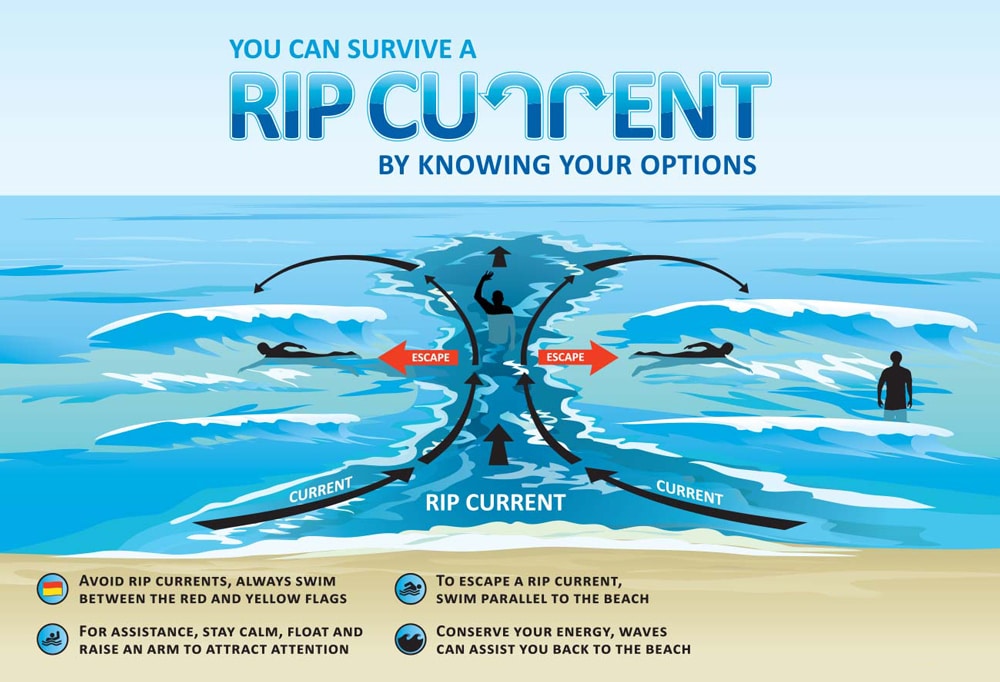
- If caught in a rip current, stay calm and swim parallel to shore
- Avoid swimming under the influence of alcohol
- Use caution when body surfing in breaking waves
- Respect warning flags and posted beach advisories
- Avoid swimming when seals are in proximity
Guarded Beaches
Which Nantucket Beaches Have Lifeguards?
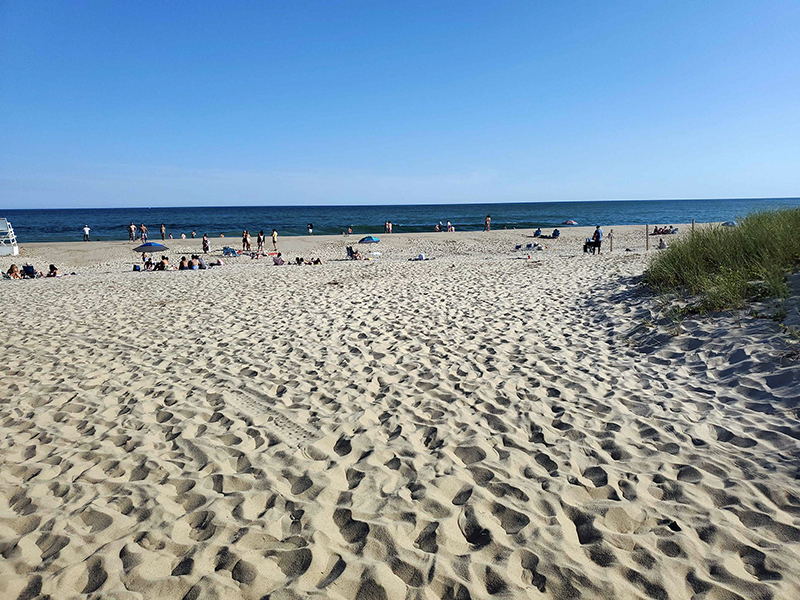
The Town of Nantucket staffs lifeguards at ten beaches each summer. Coverage runs daily from 9 AM to 5 PM, weather permitting.
Outside these hours — and at all other island beaches — swimming is at your own risk.
Sorry, no records were found. Please adjust your search criteria and try again.
Sorry, unable to load the Maps API.
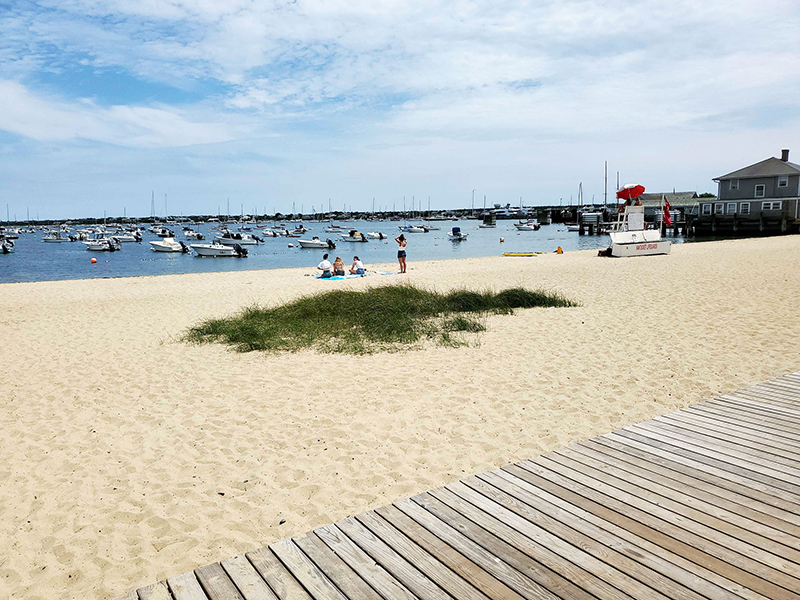
-
Seasonal lifeguards only | No lifeguard on duty

-
Seasonal lifeguards only | No lifeguard on duty
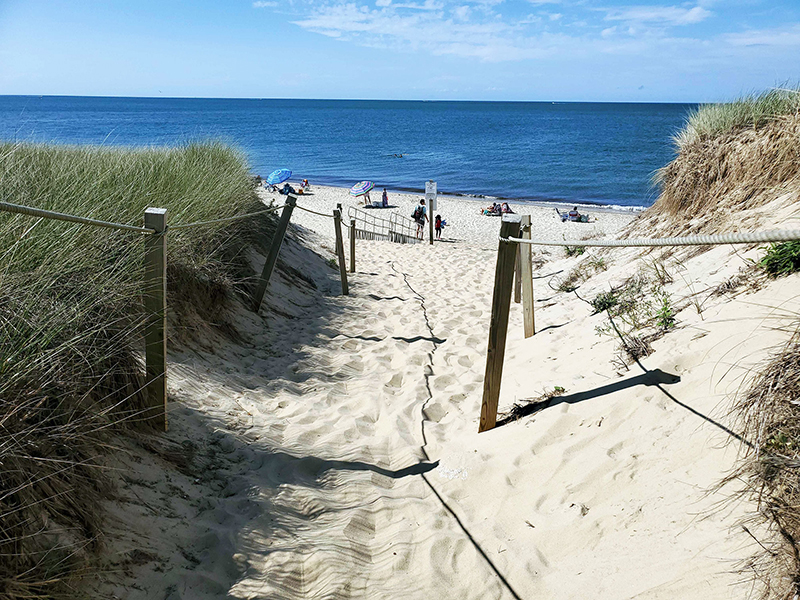
-
Seasonal lifeguards only | No lifeguard on duty
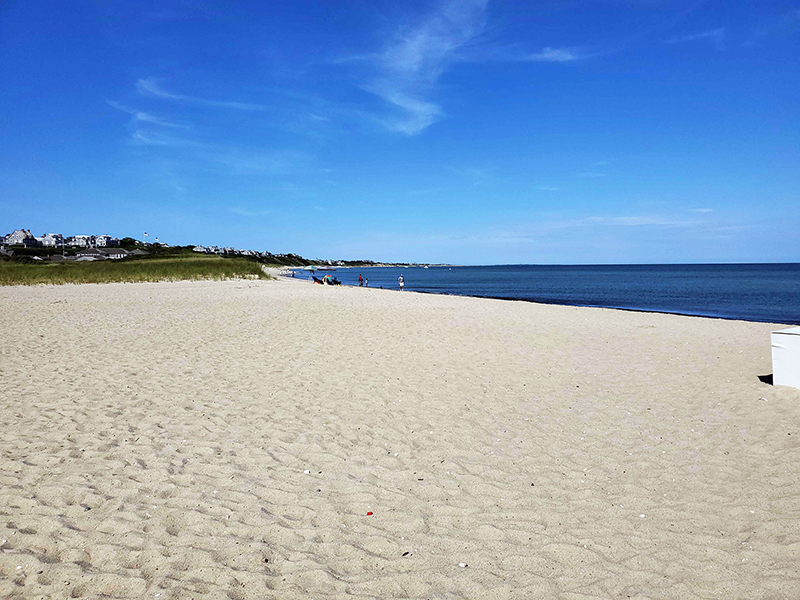
-
Seasonal lifeguards only | No lifeguard on duty
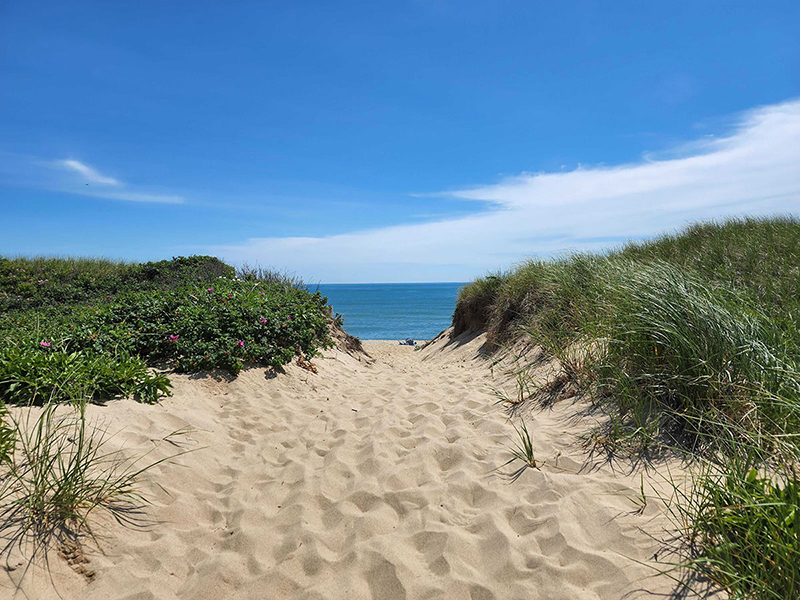
-
Seasonal lifeguards only | No lifeguard on duty
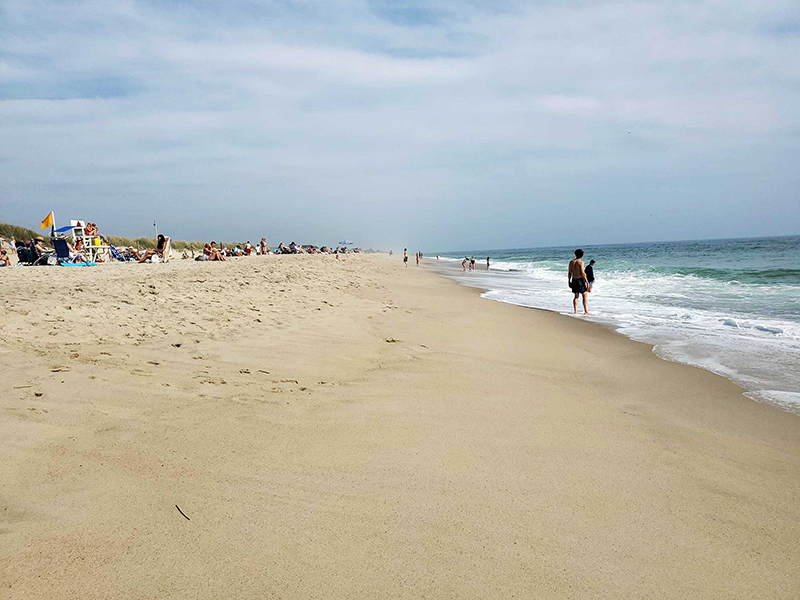
-
Seasonal lifeguards only | No lifeguard on duty
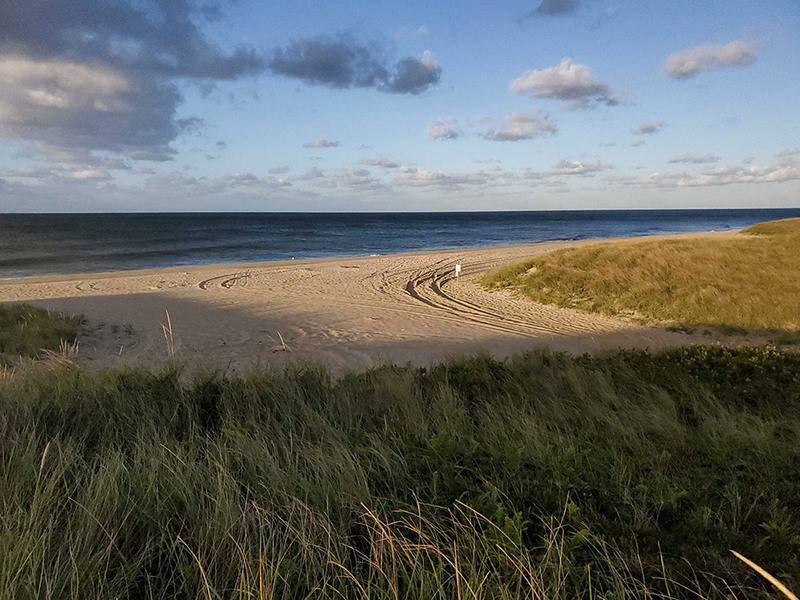
-
Seasonal lifeguards only | No lifeguard on duty
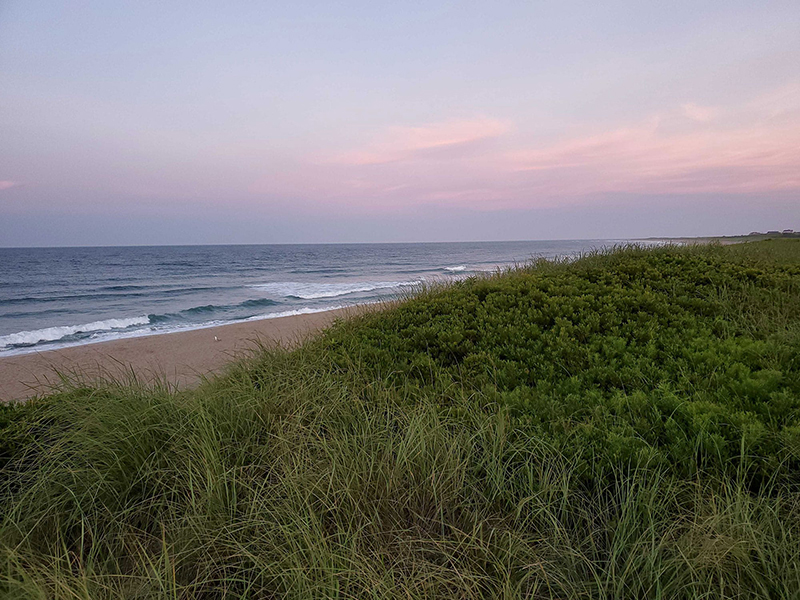
-
Seasonal lifeguards only | No lifeguard on duty
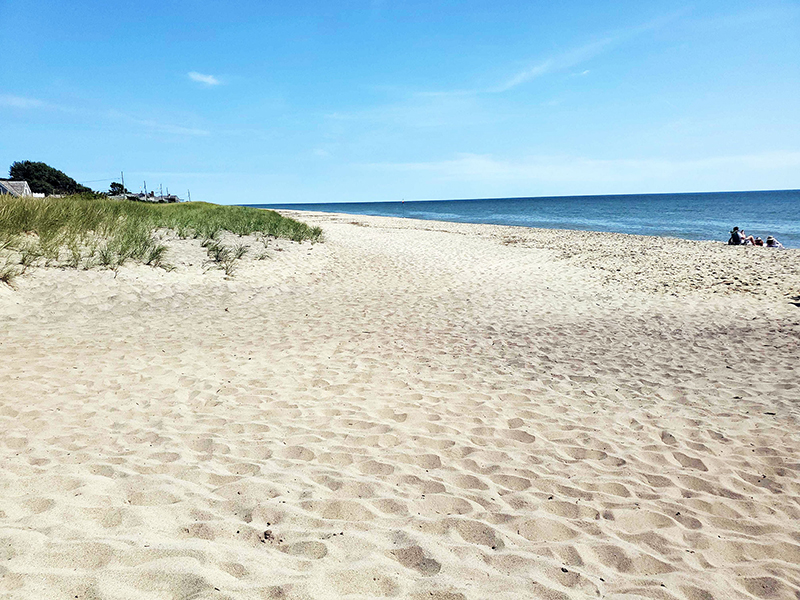
-
Seasonal lifeguards only | No lifeguard on duty
-
Seasonal lifeguards only | No lifeguard on duty
Safety System
Reading the Beach Flag System
Nantucket’s guarded beaches use a color-coded flag system to communicate ocean conditions at a glance. Flags are posted each morning and updated throughout the day. Always check the flags before entering the water.
If conditions change significantly mid-day, lifeguards will update the flags and make a beach announcement. When in doubt, ask the on-duty guard directly.
Flag Legend
Green
Low Hazard
Calm conditions.
Safe swimming for most visitors.
Yellow
Medium Hazard
Moderate surf or currents. Use caution. Weaker swimmers should stay close to shore.
Red
High Hazard
Strong surf or dangerous currents. Strong swimmers only. Children should stay out of the water.
Purple
Marine Life Warning
Dangerous marine life spotted near shore
jellyfish, sharks, or similar.
Double Red
Beach Closed
For Your Safety the Beach is Closed
NO Swimming in this area.
Understanding Ocean Conditions on Nantucket
Beach conditions on Nantucket vary significantly from one shoreline to another. North shore beaches are often calmer, while south shore beaches experience stronger surf and changing currents.
Ocean conditions may shift throughout the day depending on tides, offshore weather systems, and wind direction.
Rip Currents
Rip currents are the leading cause of surf accidents. These strong currents flow away from shore and can quickly pull even experienced swimmers into deeper water. They form when waves push large amounts of water toward the beach, which then rushes back out through narrow channels. Larger waves often create stronger rip currents. They may stay in one area or shift along the shoreline. Rip currents are sometimes visible as darker or sandy colored water.
Lateral/Longshore Currents
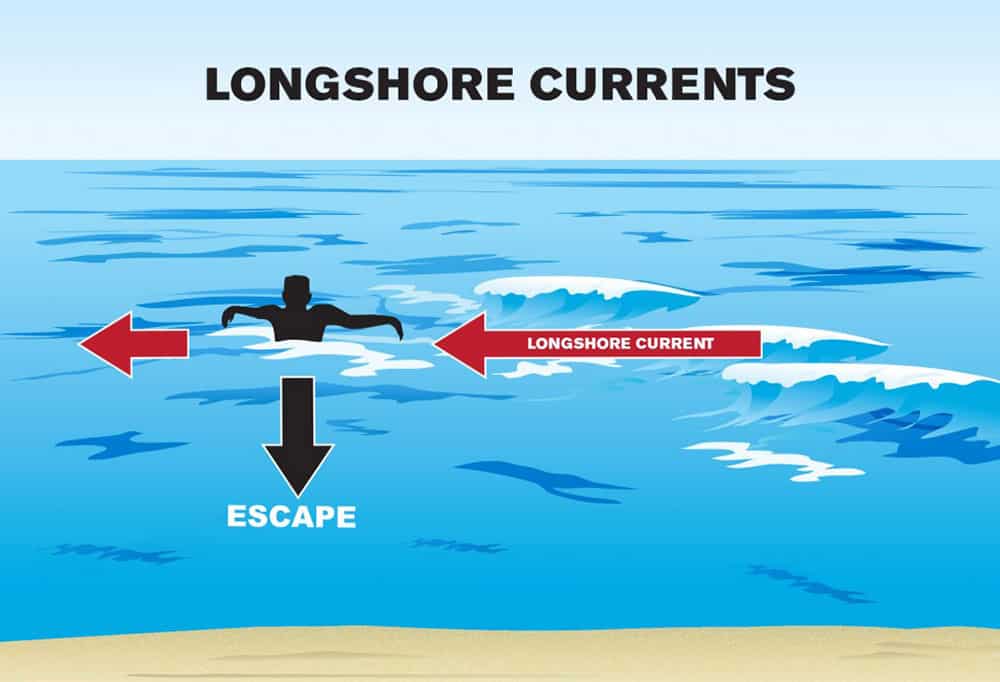
Lateral or longshore currents flow parallel to the shoreline and are generated when ocean waves approach the beach at an angle. They range in speed from fast-flowing to more subtle movement. These currents pose little threat to the average swimmer, but weaker swimmers can be pulled into rip currents and heavy surf simply by the force of lateral currents.
Undertow
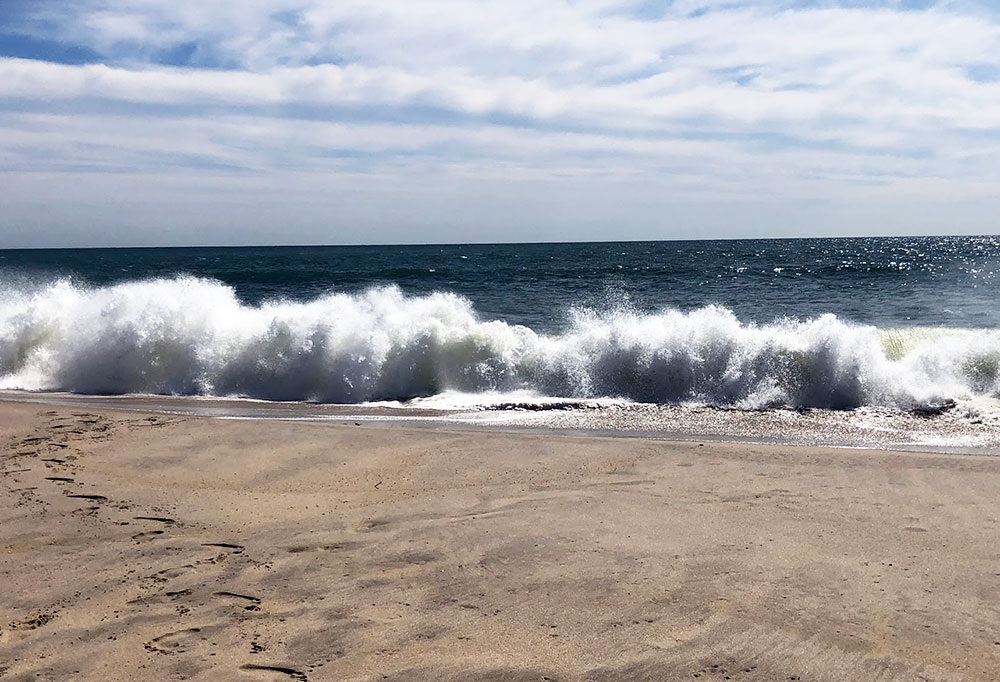
Shore Break
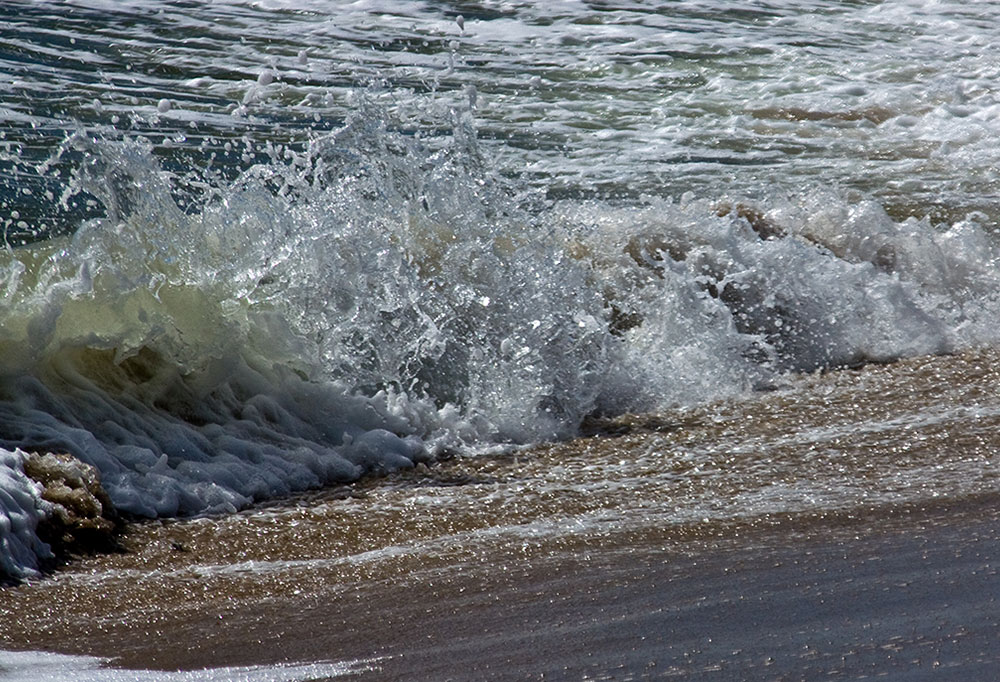
Shore Break can occur at high tide when heavy surf conditions cause large waves to break on the beach with little or no water under them. Shore break can be particularly dangerous to a swimmer who is caught in such a wave because the wave can slam the swimmer on the beach, causing injury. Shore break is the most frequent cause of serious back, neck, and shoulder injuries at the beach. Avoid body surfing during shore break conditions.
Rules & Etiquette
Beach Rules on Nantucket
Nantucket’s public beaches are managed by the Town of Nantucket. Following posted rules keeps them safe, clean, and enjoyable for everyone.
Follow Lifeguard Direction
Lifeguards have full authority on the beach. Follow their instructions at all times, without exception.
Flotation Devices
Flotation devices are permitted at the lifeguard's discretion. Guards may restrict use based on current conditions.
No Unleashed Dogs
Dogs must be leashed at all times on Nantucket beaches. Unleashed dogs are not permitted.
No Fishing
Fishing is not allowed at lifeguarded beaches during staffed hours.
No Kite Flying
Kite flying is prohibited on all Town of Nantucket lifeguarded beaches.
Beach Driving
Permitted in designated areas with an annual Town of Nantucket beach vehicle sticker. Learn more & obtain a sticker →
No Open Fires
Open fires of any kind are not permitted on lifeguarded beaches.
No Alcohol
Alcohol is prohibited on all Town of Nantucket lifeguarded beaches.
Beach Holes
Sand holes must not exceed waist depth. Fill in any hole completely before leaving the beach.
For Families
Choosing the Right Beach for Families
Not all Nantucket beaches are equal for young swimmers. Water depth, wave exposure, and proximity to amenities vary dramatically across the island’s 82 miles of shoreline.
For families with children under 10, Children’s Beach and Jetties Beach are the clear first choices. Both offer lifeguard coverage, calm harbor water, and easy access to restrooms and food.
Children’s Beach sits in the heart of Nantucket Town, making it easy to combine a beach morning with lunch nearby or a stop at the Whaling Museum. Jetties Beach adds kayak rentals, a playground, and a snack bar.
Families who prefer a more expansive beach may enjoy the south end of Surfside Beach, where lifeguards are stationed and the sand is wide and open.
Best Beaches for Young Swimmers
- Children’s Beach — calmest water, most central
- Jetties Beach — calm harbor water, full amenities
- Surfside Beach — wide sand, guarded zone, gentle inner surf

4WD Access
Beach Driving on Nantucket
For many visitors, beach driving offers access to some of Nantucket’s most remote and scenic stretches of shoreline. Beach vehicle access is available only in designated areas and requires a valid permit issued by the Town of Nantucket. Beach driving is permitted only where indicated on the official Beach Driving Map and is generally allowed between 6:00 a.m. and 10:00 p.m. unless otherwise posted.
Nantucket’s beaches are an important part of the island’s natural environment and are a treasure for residents and visitors alike. Drivers are expected to follow all beach access regulations and help protect sensitive coastal habitats. Access may be restricted or closed in certain areas due to erosion, nesting shorebirds, protected species, or changing beach conditions.
Before You Go
- Obtain a valid Town of Nantucket beach vehicle permit
- Review the official Beach Driving Map before heading out
- Check for beach closures and access restrictions
- Follow all posted regulations and seasonal restrictions
- Stay within designated driving areas only